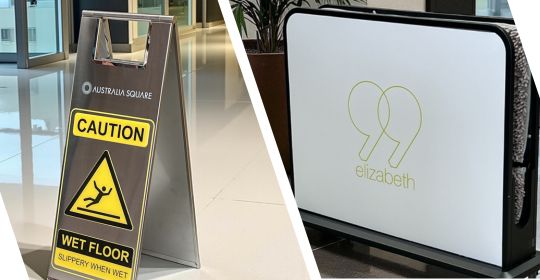
Slip and fall accidents are among the most common yet preventable safety hazards in public…
Umbrella Dryers Explained: Benefits, Working Mechanism, and Installation
Rainy days create a problem most buildings accept as unavoidable. Wet floors, slippery entrances, dripping umbrellas, and constant cleaning. What many don’t realize is that this problem has already been solved in a simple, sustainable way.
Umbrella dryers are becoming a standard feature in premium buildings, shopping centres, offices, hotels, and hospitals. Yet many people still don’t fully understand how they work, what benefits they offer, or whether they are easy to install.
This guide answers those questions clearly and practically.
What Is an Umbrella Dryer?
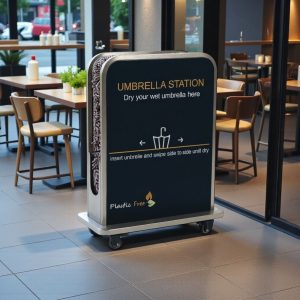
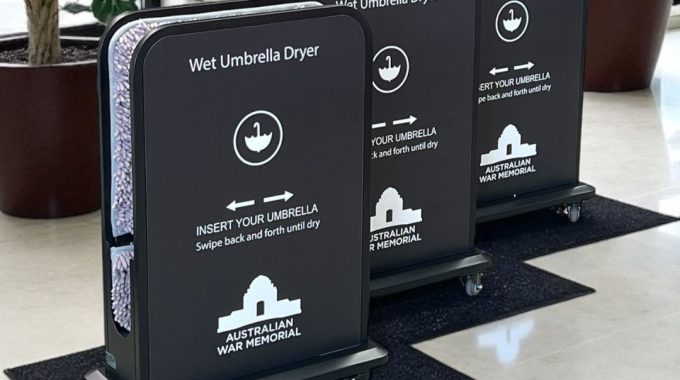
An umbrella dryer is a standalone unit placed at building entrances that removes excess water from wet umbrellas. Users simply insert their umbrella into the unit, rotate or pull it through, and walk in without dripping water across the floor.
Unlike disposable umbrella bags, modern umbrella dryers are reusable, eco-friendly, and designed for high-traffic environments.
What Are the Benefits of an Umbrella Dryer?
- Prevents Slip and Fall Accidents
Wet entry floors are one of the most common causes of slips and falls in commercial buildings. Umbrellas drip continuously as people walk, spreading water far beyond the entrance mat.
By drying umbrellas at the door, umbrella dryers stop water before it reaches the floor. This reduces the risk of accidents and potential liability for building owners and managers.
For facilities like hospitals, shopping malls, airports, and office towers, this alone makes umbrella dryers a smart safety investment.
- Keeps Entrances Clean and Presentable
First impressions matter. A wet, messy entrance with puddles and warning signs immediately lowers the perceived quality of a space.
Umbrella dryers help maintain a clean, dry, and professional entrance even during heavy rain. Floors stay dry, fewer mats are needed, and cleaning staff aren’t constantly chasing water trails throughout the building.
This is especially important for premium commercial properties where brand image and visitor experience matter.
- Reduces Cleaning and Maintenance Costs
Rainy days increase cleaning frequency, labor hours, and wear on flooring. Over time, constant moisture can damage tiles, carpets, and entrance finishes.
By stopping water at the source, umbrella dryers reduce:
• Mopping and drying frequency
• Chemical and water usage
• Long-term floor damage
This leads to lower operational costs and longer life for flooring materials.
- Eco-Friendly Alternative to Umbrella Bags
Disposable plastic umbrella bags are wasteful and increasingly discouraged due to environmental concerns. They create ongoing costs, clutter, and plastic waste.
Umbrella dryers eliminate the need for single-use plastic entirely. They are reusable, low-maintenance, and align well with sustainability goals and green building standards.
For organizations focused on ESG targets or environmental responsibility, this is a meaningful improvement.
- Improves Visitor Convenience
Umbrella dryers offer a simple, intuitive experience. Visitors don’t have to struggle with plastic bags, worry about leaks, or carry dripping umbrellas through indoor spaces.
Dry umbrellas mean dry hands, dry bags, and a more comfortable experience overall. This small detail often stands out more than expected, especially in high-end or customer-focused environments.
How Does an Umbrella Dryer Work?
Despite their effectiveness, umbrella dryers are mechanically simple.
Step-by-Step Functionality
1. Insert the wet umbrella
The user places the umbrella tip-down into the dryer opening.
2. Water is removed through contact and gravity
Internal absorbent components or brush-based systems strip water from the umbrella surface as it is rotated or pulled through.
3. Water collects in a built-in reservoir
The removed water flows into an internal tray or tank, keeping floors dry.
4. Umbrella comes out dry and drip-free
The user exits with an umbrella that no longer releases water indoors.
Most umbrella dryers are manual and require no electricity, making them safe, reliable, and suitable for any entryway.
No Power, No Noise, No Complexity
Modern umbrella dryers operate without motors, sensors, or electrical connections. This means:
• No energy consumption
• No noise
• No risk of electrical failure
• Minimal maintenance
Their simplicity is one of their biggest strengths.
Are Umbrella Dryers Easy to Install?
Yes. Umbrella dryers are among the easiest facility upgrades to deploy.
Plug-and-Play Installation
Most units arrive fully assembled and ready to use. Installation usually involves:
• Placing the unit near an entrance
• Ensuring stable positioning
• Optional anchoring for high-traffic locations
No plumbing, wiring, or structural changes are required.
In many cases, installation takes less than 10 minutes.
Flexible Placement Options
Umbrella dryers can be placed:
• At main entrances
• Inside lobbies
• Near reception desks
• Along entry corridors
Their compact footprint allows them to fit easily without disrupting pedestrian flow.
Low Ongoing Maintenance
Maintenance is simple and infrequent:
• Empty the water tray periodically during rainy seasons
• Wipe down the exterior as part of routine cleaning
There are no consumables, filters, or replacement parts required under normal use.
Where Do Umbrella Dryers Make the Most Sense?
Umbrella dryers are ideal for any building that experiences regular foot traffic and seasonal rain, including:
• Shopping centres and retail malls
• Office buildings and corporate headquarters
• Hospitals and clinics
• Hotels and serviced apartments
• Universities and schools
• Airports and transport hubs
They are especially valuable in locations where safety, cleanliness, and brand perception are priorities.
Related Posts